

 English
 عربى
 中文简体

Full-Servo vs. Mechanical Cam: How to Choose the Drive Architecture for an Automatic Paper Cup Machine
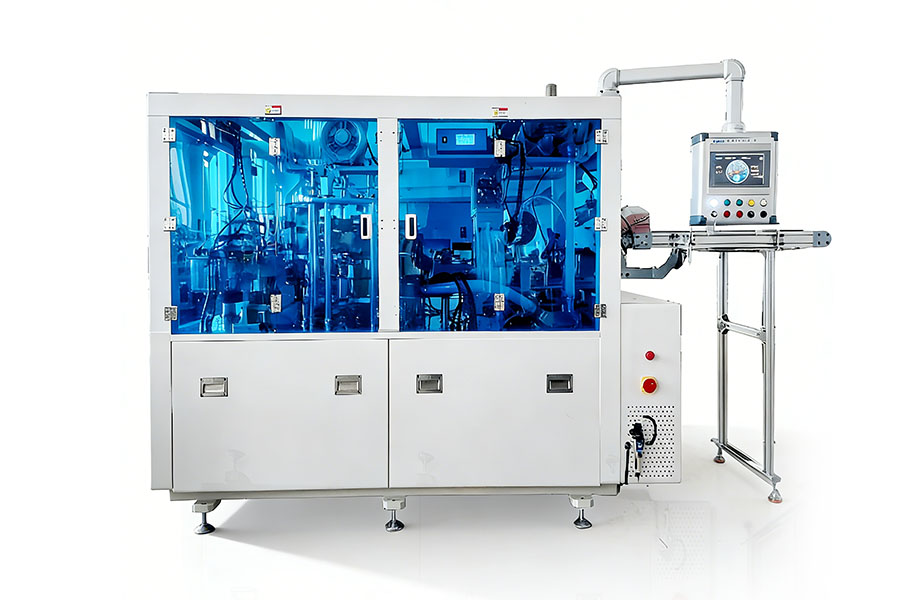
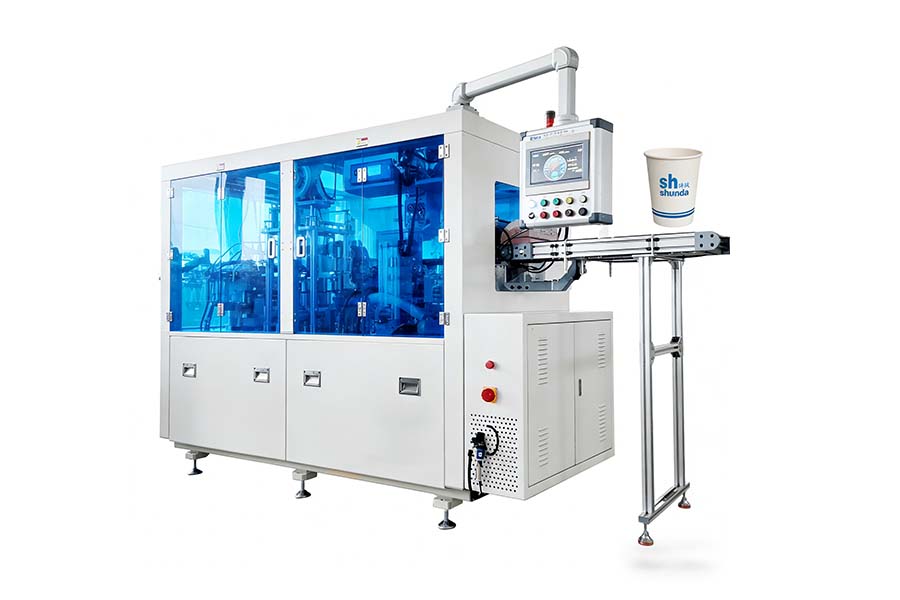
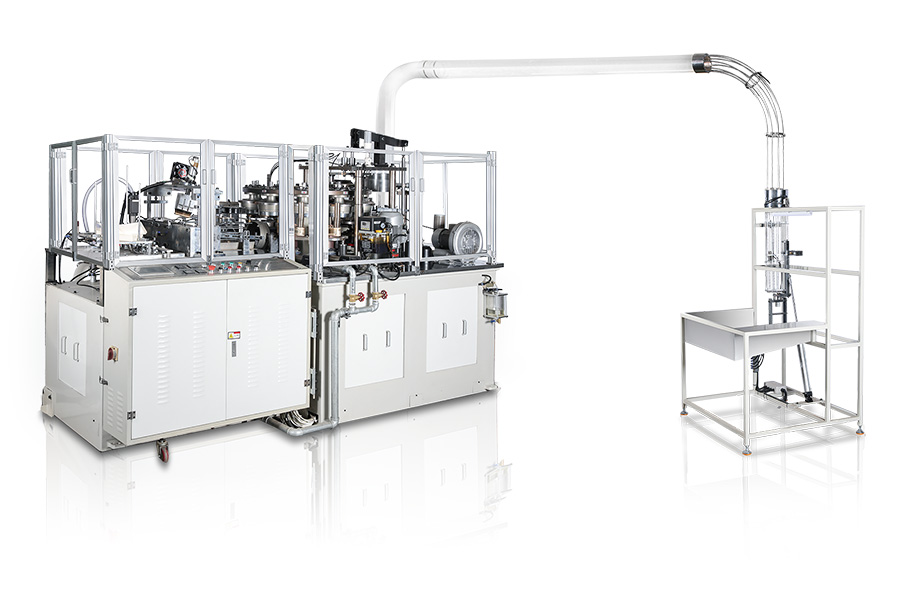
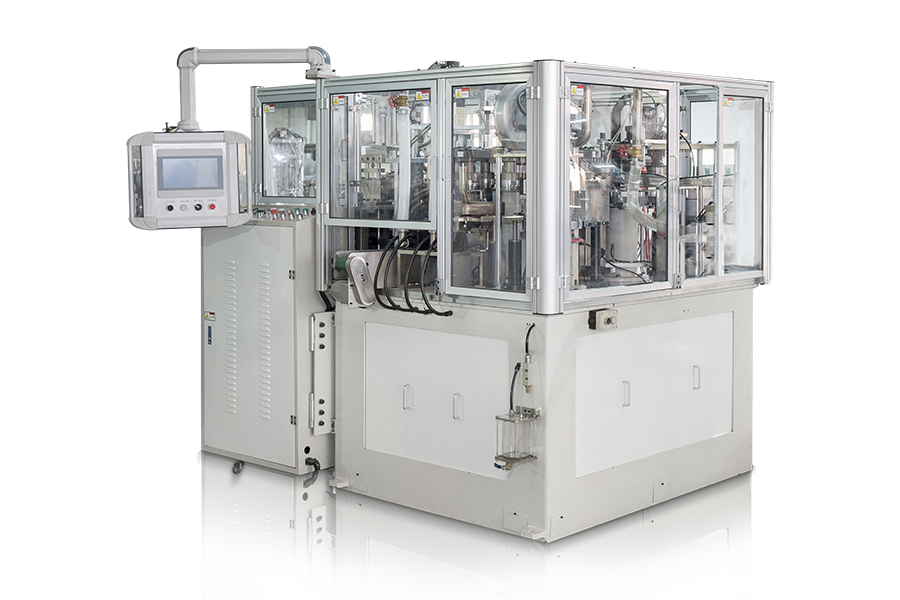
When choosing a paper cup machine, full-servo and mechanical cam systems are often presented as an either-or choice. The real question is not which one is more advanced, but which one better fits your product mix, mold-change frequency, maintenance resources, and capacity plan. Chengda Machinery has been producing mechanical paper cup machines since 1998. Its mechanical models have a long-standing reputation for stability and durability, well above ordinary market models. Its semi-servo paper cup machines and semi-servo paper bowl machines are key-station servo upgrades built on that mature mechanical platform, and are worth prioritizing in your comparison.
The Essential Difference Between the Two Architectures
Mechanical cam architecture uses cams, gears, and linkages to distribute motion, with timing “fixed” by hardware. The technology is mature, the maintenance system is clear, and as long as maintenance is performed properly, repeated actions are reliable. It remains the mainstay model for many paper cup factories.
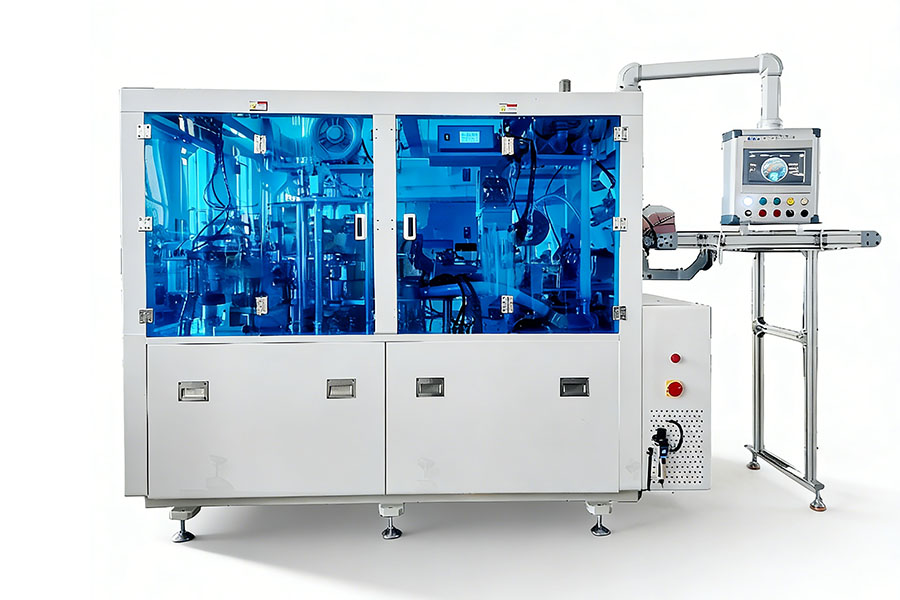
Full-servo architecture uses multiple servo motors to drive each station independently, coordinating timing through encoders and programs. The motion logic shifts from “hardware-defined” to “software-defined,” offering advantages in precision retention and fault isolation, but at a higher purchase cost.
Four Evaluation Dimensions
1. Precision retention
Mechanical cam machines have no precision problem when new, but cams and rollers wear over time through friction, so precision must be maintained through regular service and reasonable operating speed. Full-servo machines use closed-loop control for real-time correction and have no physical cam wear, so reset precision after mold changes is more stable. For standard cup sizes, large batches, and well-managed maintenance, mechanical models remain reliable. For multiple specifications with frequent mold changes, servo advantages are more obvious.
2. Fault logic
Mechanical cam stations are linked through rigid transmission, so one jam may cause connected misalignment, and troubleshooting time depends on the mechanic’s skill. Factories with an experienced maintenance team can handle such problems without much difficulty. Full-servo axes are independent; overload triggers automatic force release and alarm, and reset is faster, making it suitable for continuous production lines with limited maintenance staff.
3. Maintenance burden
Mechanical models require regular lubricating oil changes, but maintenance items are clear, cycles are fixed, ordinary mechanics can handle them, and parts are relatively universal. Full-servo machines eliminate the gearbox and cam transmission, simplify lubrication, and reduce maintenance items, lowering overall maintenance cost. If you already have a mature mechanical maintenance team, the low-threshold maintenance of mechanical models can instead be an advantage.
4. Speed ceiling
Mechanical cam speed is limited by inertia; at high speed, wear accelerates, so actual operation needs a margin. At 60–80 cups/min, with a single product and proper maintenance, cost-effectiveness and durability still hold. Full-servo machines respond quickly and are not constrained by mechanical inertia; mainstream stable speeds are in the 140–180 cups/min range, suitable for capacity plans above 100 cups/min.
The Third Path: Semi-Servo + Mechanical Hybrid Architecture
For most small and medium-sized paper cup and paper bowl factories, the more cost-effective solution is not full-axis servo or all-mechanical cam, but applying servo to key stations: ultrasonic sealing, the main turntable, and the main motor use servo control, while the remaining paper feeding, forming, and curling stations retain mature mechanical transmission.
The advantages are direct: ultrasonic sealing pressure and position are more precise, and cup-rim sealing consistency is better; the main turntable has high positioning accuracy and more stable reset after mold changes; the main motor starts and stops smoothly, reducing mechanical impact; and the overall cost is more controllable than full servo.
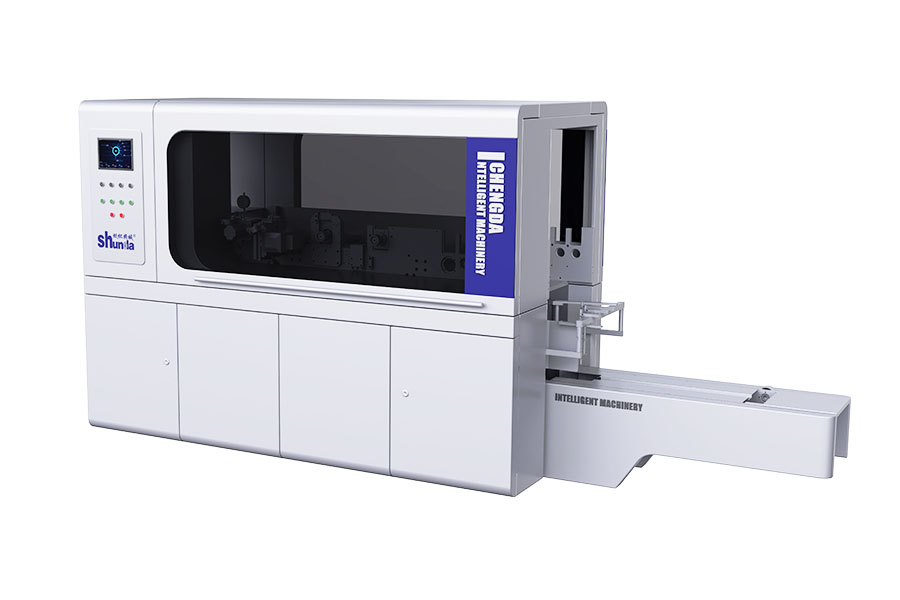
Chengda semi-servo paper cup machines and semi-servo paper bowl machines are representative models of this architecture. The mechanical paper cup machine experience Chengda has accumulated since 1998 provides a solid mechanical foundation for the semi-servo models—not a from-scratch assembly, but a key-station servo upgrade on a stable and durable mechanical platform. Paper cup and paper bowl producers who need product changeover capability while controlling purchase budget can prioritize this comparison.
Contact: Phone/WeChat 15157479016
You can inquire about the configuration, cup-size range, and delivery time of Chengda semi-servo paper cup machines and semi-servo paper bowl machines. Customers with a single product and budget priority can also learn about Chengda mechanical paper cup machines at the same time.
Selection Checklist
-
Mechanical cam: budget-sensitive, single product, infrequent mold changes, and existing mechanical maintenance resources. Focus on Chengda mechanical paper cup machines, produced since 1998, with a reputation for stability and durability.
-
Full servo: multiple specifications with frequent mold changes, high requirements for continuous production, limited maintenance staff, and capacity needs above 100 cups/min.
-
Semi-servo + mechanical: attention to sealing quality and turntable positioning, without paying the premium for full-axis servo. Prioritize Chengda semi-servo paper cup machines and semi-servo paper bowl machines.
Chengda Machinery: Phone/WeChat 15157479016