

 English
 عربى
عربى 中文简体
中文简体
Understanding the Role of the Paper Cup Food Container Machine in Modern Packaging
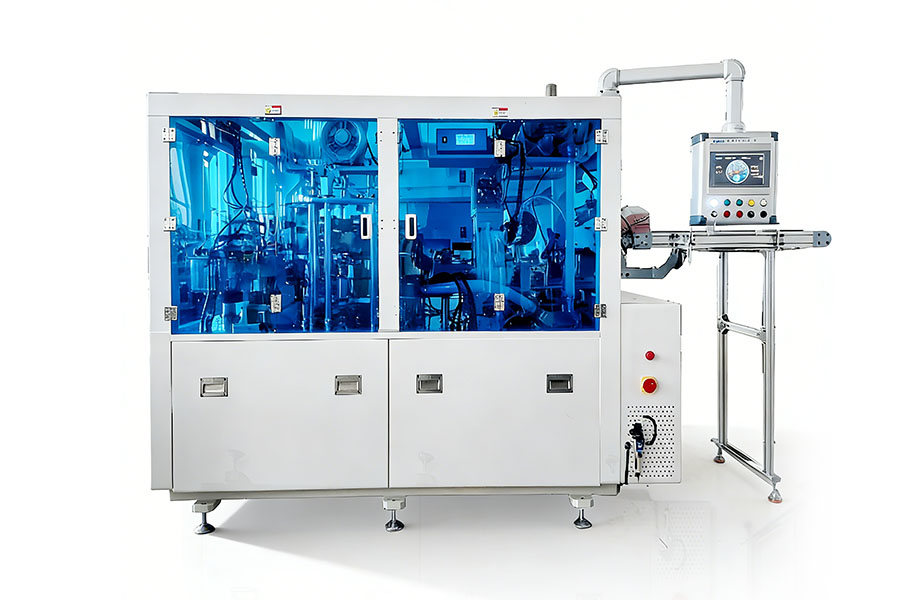
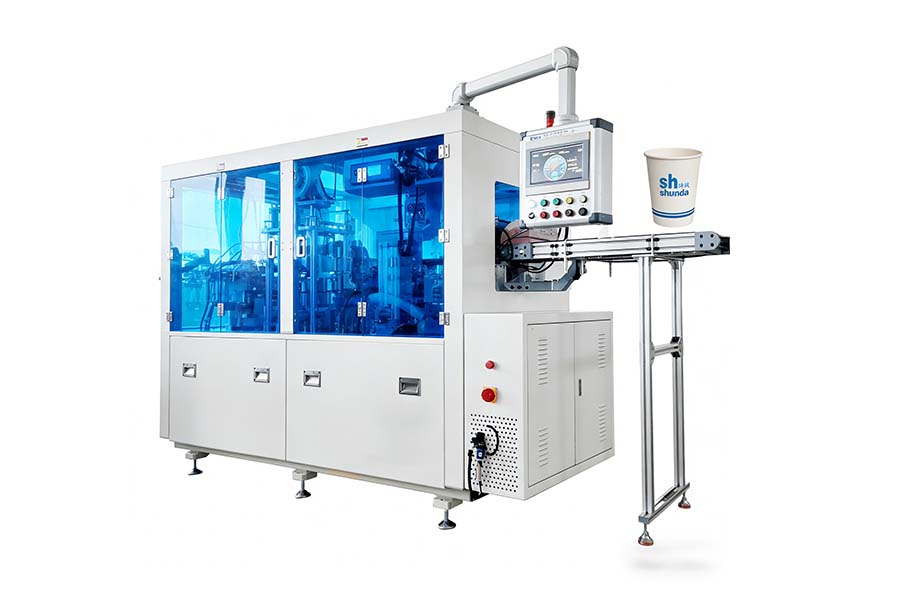
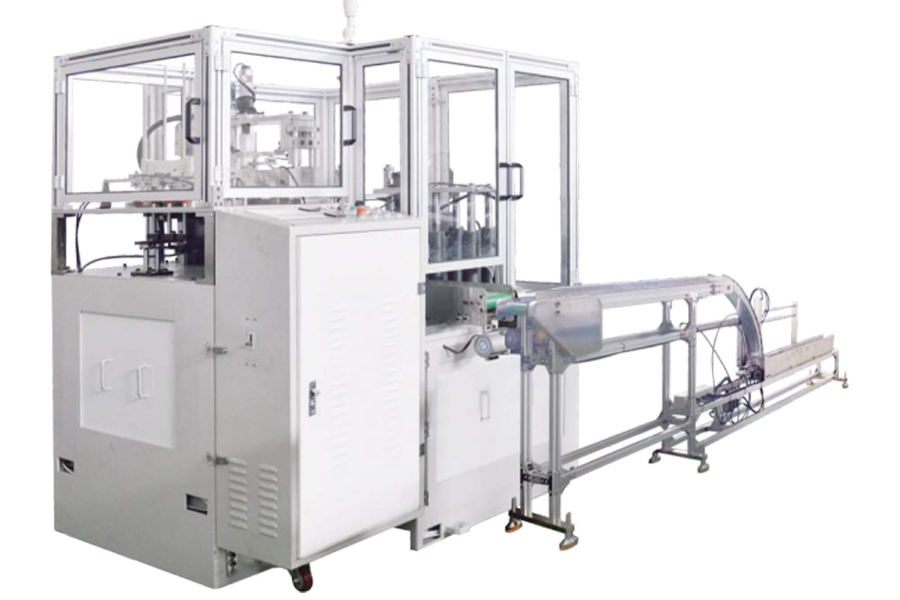
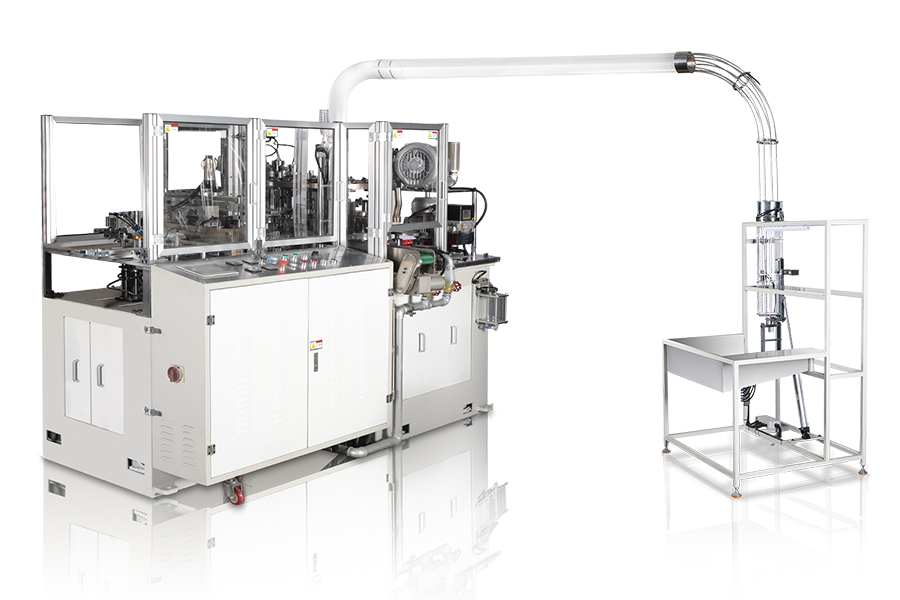
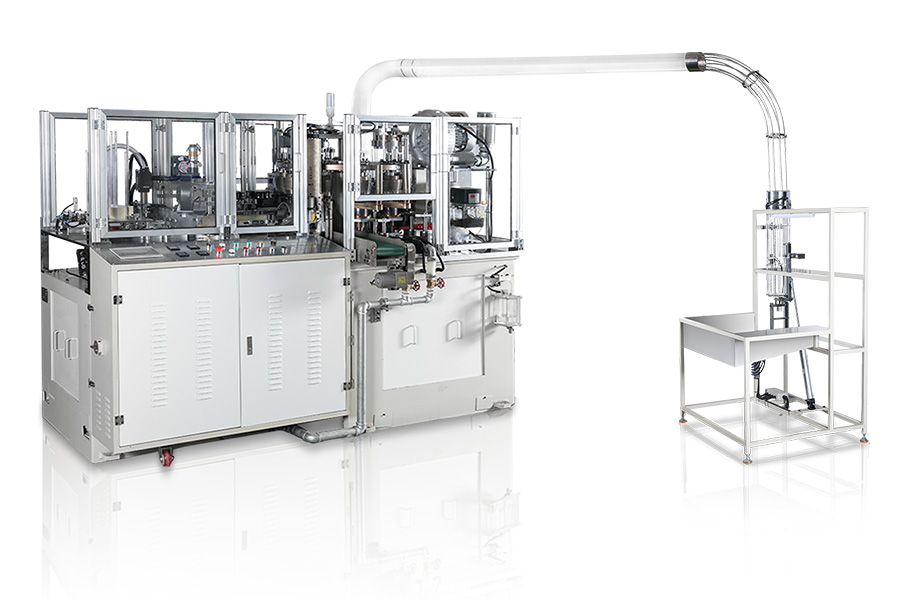
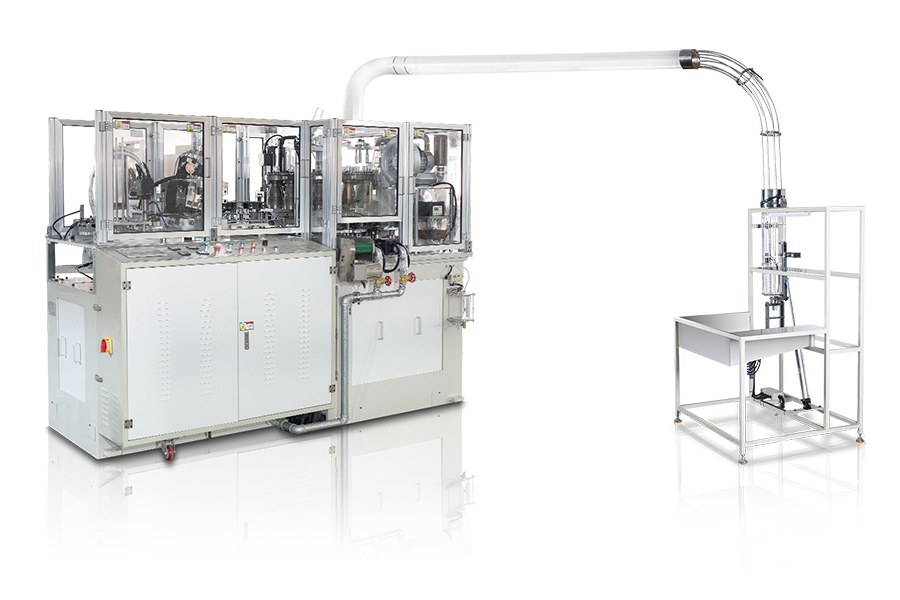
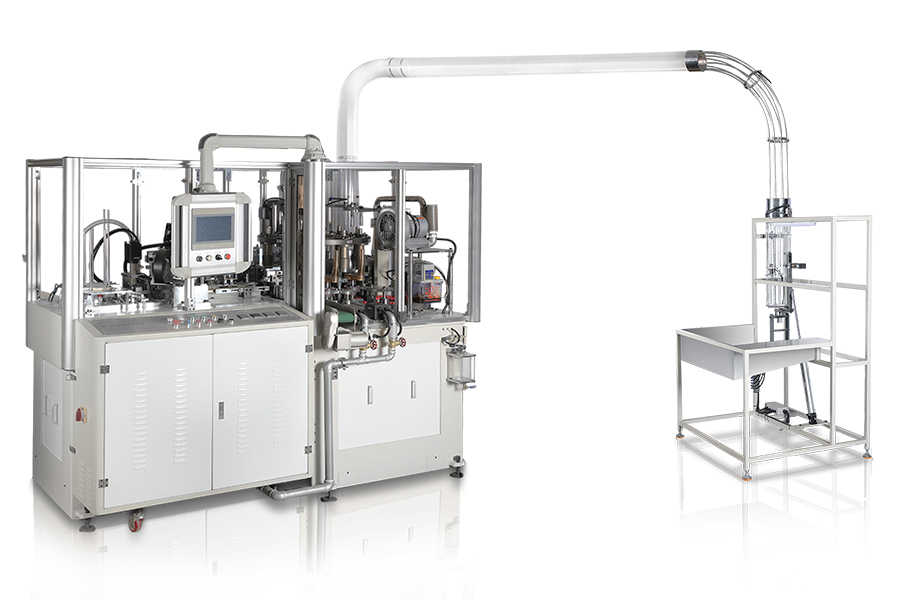
The Paper Cup Food Container Machine stands at the forefront of the disposable packaging industry, representing a critical investment for businesses aiming for efficiency, hygiene, and scalability. This sophisticated piece of equipment transforms flat paper blanks, typically coated with PE or PLA, into various shapes of containers—from simple beverage cups to complex food containers with lids. Its operation is a symphony of precision engineering, involving intricate processes like unwinding, printing (optional), die-cutting, gluing, heating, curling, and stacking, all performed at high speeds with minimal human intervention. The machine's capability to handle different paper weights and coatings is essential for meeting the diverse demands of the food service sector, including hot beverages, cold desserts, and takeaway meals. Investing in a quality Paper Cup Food Container Machine is not just about manufacturing capacity; it's about securing a competitive edge by ensuring product consistency and adhering to stringent food safety standards, which are paramount in today’s global market. Furthermore, the modern iteration of this machinery emphasizes energy efficiency and reduced material waste, aligning business goals with environmental responsibility.
- Efficiency and Automation: Modern machines offer fully automated operation, drastically reducing labor costs and minimizing the risk of contamination associated with manual handling.
- Versatility in Output: The ability to switch molds allows for the production of various products, including paper cups, soup bowls, noodle boxes, and ice cream containers, maximizing the machine's utility.
- Product Quality: Advanced heating and sealing mechanisms ensure leak-proof containers, a non-negotiable requirement for food and beverage applications.
Key Benefits of Adopting a Full Automatic Disposable Paper Food Container Production Line
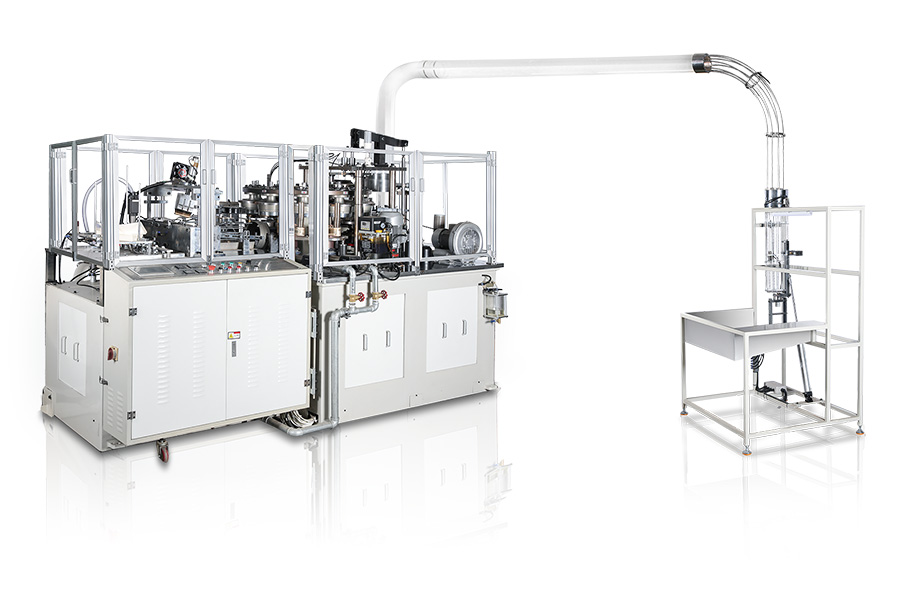
The adoption of a full automatic disposable paper food container production line moves beyond mere production capacity; it signifies a commitment to industrial-scale efficiency and market responsiveness. Unlike semi-automatic setups, a full automatic line integrates several stages—from paper feeding to finished product collection—into a seamless, continuous operation. This integration drastically minimizes bottlenecks, reduces inter-process material handling, and ensures uniform quality across massive production volumes. The inherent precision of automation also leads to significantly lower material wastage and tighter tolerance controls, which is crucial when dealing with varying paper thicknesses and intricate container designs. This level of control is indispensable for businesses serving large distribution chains or those operating in highly regulated environments where consistency is key. The initial capital outlay for a full automatic line is justified by the long-term gains in operational speed, labor savings, and the consistent high quality of the final product, positioning the manufacturer as a reliable supplier in a demanding marketplace.
- Streamlined Workflow: All manufacturing steps are linked, eliminating manual transfer and reducing cycle time per unit, thus boosting overall throughput significantly.
- Optimized Resource Use: Sophisticated sensors and control systems ensure precise material consumption and minimize energy expenditure during the high-heat sealing processes.
- Scalability for Demand: A dedicated production line is designed to handle continuous, high-volume orders, making it ideal for large-scale manufacturing operations.
Differentiating Paper Cup and Paper Bowl Forming Technologies
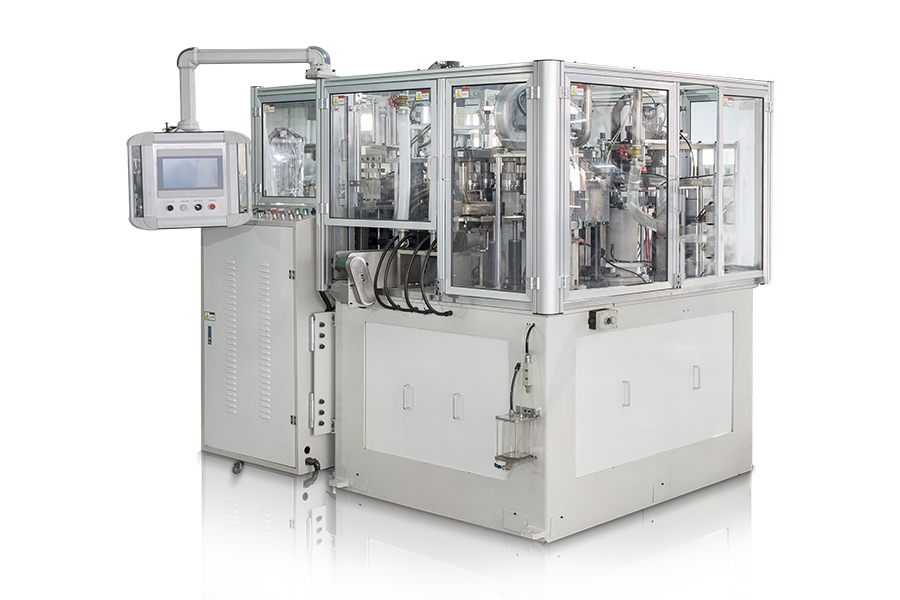
While both paper cup and paper bowl forming machines share a common fundamental principle—shaping paper into a hollow vessel—the technological nuances required for each are significant, primarily due to the differences in size, depth, and wall angle of the final product. Paper bowls, often used for hot foods like soup or noodles, typically require heavier-grade paper and a shallower, wider formation. This necessitates a more robust sealing and curling mechanism to ensure stability and structural integrity under stress from hot, liquid contents. Conversely, standard paper cups are generally taller, narrower, and utilize a specialized rolling mechanism for the top lip (curl) which is crucial for drinking comfort and lid fitting. A specialized Paper Cup Food Container Machine might feature interchangeable molds and complex servo-driven systems to accommodate both shapes, but dedicated paper bowl or cup machines are optimized for specific production runs. Understanding these technological distinctions is vital for manufacturers choosing equipment that aligns precisely with their core product line and performance expectations, ensuring maximum operational efficiency and product quality.
| Feature | Paper Cup Forming | Paper Bowl Forming |
| Typical Height-to-Diameter Ratio | Higher (Taller and narrower) | Lower (Wider and shallower) |
| Paper Weight Preference | Medium (150-300 GSM) | Heavier (250-450 GSM, for rigidity) |
| Sealing Mechanism Focus | Precise lip curl for drinking/standard lids | Stronger side-wall seam and base seal for liquid containment |
Selecting the Right Equipment: Focusing on Performance and Cost
Choosing the appropriate Paper Cup Food Container Machine is a strategic business decision that balances upfront investment against long-term operational costs and output quality. The selection process must go beyond merely comparing specifications; it requires a deep understanding of the intended market, required production volume, and the complexity of the containers to be produced. Critical factors include the machine's actual running speed (not just its theoretical maximum), its energy consumption profile, and the availability and cost of replacement parts. Furthermore, the quality of the machine's control system, often PLC-based, determines the ease of mold changeover and the precision of the forming process. A robust machine with durable components, even if initially more expensive, will drastically reduce downtime and maintenance costs over its lifespan, ensuring a consistent return on investment. Manufacturers must also assess the post-sales support offered by the supplier, including training and technical assistance, which are crucial for maintaining peak operational efficiency.
- Production Rate (PPM): Match the machine's actual cups per minute (PPM) to your market demand and sales forecast to avoid underutilization or inability to meet orders.
- Power Consumption: Evaluate the energy efficiency, especially for high-speed models, as running costs can accumulate quickly and impact profitability.
- Material Compatibility: Ensure the machine can handle the specific types of paper and coatings (e.g., single PE, double PE, PLA) required for your target products.
Analyzing Automatic Paper Bowl Forming Machine Price and ROI Factors
The automatic paper bowl forming machine price is a variable heavily influenced by features such as speed, automation level (e.g., integrated stacking and counting), and the machine's overall component quality. While the temptation exists to opt for the lowest-priced equipment, a true Return on Investment (ROI) calculation must encompass more than just the initial purchase price. Key ROI factors include the machine's operational lifespan, the cost of raw material waste during the forming process, and the consistency of the finished product, which directly impacts customer acceptance and repeat business. High-end, faster machines typically command a higher price but offer superior component durability (e.g., branded hot air systems and ultrasonic sealers), resulting in less unscheduled downtime and lower maintenance expenses. Analyzing the 'Total Cost of Ownership' (TCO) over a five-year period—factoring in depreciation, maintenance, energy use, and labor—provides a much clearer picture of the machine's long-term financial viability compared to a simple purchase price comparison. Savvy buyers prioritize reliability and efficiency, recognizing that maximizing uptime is the quickest route to recouping their investment.
- Investment Amortization: Calculate how many units must be sold at a given margin to cover the machine's cost within an acceptable period (typically 1-3 years).
- Labor Savings: Quantify the reduction in personnel needed for machine operation, monitoring, and quality control compared to manual or semi-automatic alternatives.
- Quality-Related Savings: Estimate the cost reduction from lower defect rates and less material spoilage achieved by higher-precision, higher-priced equipment.
Comparison of Low-Speed vs. High Speed Paper Food Container Making Machine Manufacturers
The decision between a low-speed and a high-speed machine is fundamentally a choice between flexibility and sheer volume. High speed paper food container making machine manufacturers cater to large enterprises or high-demand contract packagers, focusing on maximizing the cups per minute (PPM), often exceeding 100 or 150 units. These machines are engineered with advanced mechanical components, such as open cam systems or servo drives, that facilitate rapid, stable, and precise movements. While they are more expensive and require specialized maintenance, their ability to produce massive quantities in short periods ensures a lower unit cost in high-volume settings. Conversely, low-speed machines (typically 40-70 PPM) are generally more suitable for start-ups, small to medium enterprises (SMEs), or manufacturers focusing on specialized, low-volume, high-margin products. They offer simpler operation and maintenance and are typically more forgiving with slight variations in paper quality. The key is to assess the current and projected market demand accurately. Over-investing in a high-speed machine when demand is low leads to poor ROI, while under-investing limits growth potential.
| Characteristic | Low-Speed Machine | High-Speed Machine |
| Production Rate (PPM) | 40-70 | 80-150+ |
| Initial Capital Cost | Lower | Significantly Higher |
| Maintenance Complexity | Simpler, standard components | More complex, requires specialized skills |
| Best Suited For | SMEs, niche products, lower volume | Large-scale production, global suppliers |
Embracing Sustainability: The Shift to Eco-Friendly Production
The global movement toward sustainability has profoundly impacted the packaging industry, making the ability to produce eco-friendly containers a non-negotiable requirement for forward-thinking manufacturers. This shift requires not only changes in raw materials—moving from traditional PE coatings to biodegradable alternatives like PLA or water-based barrier coatings—but also the adoption of specialized machinery. A modern Paper Cup Food Container Machine must be engineered to handle these new materials, which often exhibit different heat tolerances, stiffness, and sealing properties compared to standard paper. For instance, PLA requires precise temperature control during sealing to prevent melting or warping, while water-based coatings demand more powerful and controlled drying systems. Investing in equipment that is certified to work with sustainable substrates is a proactive measure that future-proofs the business against stricter environmental regulations and caters to the rapidly growing consumer demand for genuinely eco-friendly products. This strategic pivot transforms the manufacturing process from a high-waste operation into a model of circular economy principles.
- Material Handling Upgrades: Machines require specialized feeders and sealing units designed to minimize paper cracking and coating degradation associated with new sustainable materials.
- Certification Compliance: Ensure the machine's processes meet the requirements for composting and biodegradability certifications relevant to your target markets.
- Reduced Energy Footprint: Newer models often feature enhanced insulation and optimized heating cycles to improve energy efficiency, aligning with green manufacturing practices.
Integrating the Biodegradable Paper Cup Machine for Sustainable Packaging
The biodegradable paper cup machine for sustainable packaging is the key technological enabler for businesses transitioning to eco-friendly products. These specialized machines are not just standard cup makers; they are precision tools adapted to the unique characteristics of biodegradable and compostable substrates. The biggest challenge with these materials, such as PLA (polylactic acid) or non-plastic barrier coatings, is their narrow process window for heat sealing. A conventional machine may burn or inadequately seal these materials, leading to defects and significant material waste. A genuine biodegradable machine features finely tuned ultrasonic or specialized hot air sealing mechanisms that operate with far greater temperature accuracy and consistency. Furthermore, it incorporates advanced tension control systems to handle the potentially lower strength and increased brittleness of eco-friendly paper stock. For manufacturers, the successful integration of this technology results in the ability to market products with powerful sustainability credentials, offering a compelling alternative to traditional plastic-lined containers and tapping into lucrative green procurement contracts.
- Precise Sealing Control: Utilizing ultrasonic sealing or PID-controlled heating elements ensures a perfect seal on heat-sensitive PLA and water-based coatings.
- Substrate Versatility: The equipment is designed to seamlessly process various paperboard types, including bamboo or recycled content, without compromising structural integrity.
- Waste Minimization Features: Built-in sensor systems detect and reject improperly formed units early, minimizing waste of expensive sustainable raw materials.
Material Considerations for Environmentally Sound Containers
The choice of paper and barrier coating is paramount when creating environmentally sound food containers. While paper itself is naturally renewable, the traditional polyethylene (PE) coating, which provides the necessary liquid barrier, prevents the container from being easily recycled or composted. The shift is towards materials that offer the same functionality with reduced environmental impact. Polylactic acid (PLA), a polymer derived from renewable resources like corn starch, is a popular choice because it is compostable in industrial facilities. More recently, water-based or dispersion coatings are gaining traction. These coatings, often applied directly to the paperboard, offer an effective liquid barrier while allowing the finished container to be recycled in standard paper waste streams, making them highly desirable. A crucial consideration for any manufacturer is ensuring that their Paper Cup Food Container Machine is calibrated for the specific melting points, thickness tolerances, and adhesion properties of these new materials to achieve reliable, leak-proof results. The decision should balance environmental claims (recyclable vs. compostable) with material cost and the machine's processing capabilities.
| Coating Type | Environmental Benefit | Machine Requirement Consideration |
| PE (Polyethylene) | Standard barrier, not biodegradable/recyclable | Standard heat/ultrasonic sealing (Low process complexity) |
| PLA (Polylactic Acid) | Compostable (in industrial facilities) | Precise temperature control, lower sealing temperature required |
| Water-Based/Dispersion | Recyclable (repulpable), non-plastic | Advanced drying/curing and specialized sealing pressure needed |
Operational Excellence: Maintenance and Problem Solving
Achieving operational excellence with a Paper Cup Food Container Machine hinges on establishing a rigorous maintenance schedule and developing expert troubleshooting skills. These machines operate under constant heat, pressure, and motion, making component wear inevitable. A proactive, preventative maintenance (PM) program—which includes daily checks, weekly lubrication, and quarterly component inspection—is essential to maximize uptime and extend the machine's service life. Neglecting PM can lead to catastrophic failures, costly emergency repairs, and significant production losses. Key focus areas include the cam mechanisms, heating elements (both hot air and ultrasonic), and the indexing gearbox, which are all critical to the machine's speed and precision. Training personnel to recognize the early signs of wear—such as unusual noises, temperature fluctuations, or slight variations in product dimensions—is just as important as the maintenance itself. This expertise ensures that minor issues are resolved before they escalate into major production halts, securing the machine's status as a reliable asset in the production line.
- Lubrication Schedule: Strictly adhere to the manufacturer's guidelines for oil and grease application to all moving parts, especially the indexing gear and cam followers.
- Die/Mold Inspection: Regularly check the forming and curling dies for wear, nicks, or accumulated residue, which can cause paper tearing or poor cup formation.
- Electrical System Audit: Periodically verify the integrity of heating elements, thermostats, and sensors to ensure stable and precise temperature control for sealing.
Expert Guide to Troubleshooting Paper Cup Food Container Machine Common Issues
Effective troubleshooting paper cup food container machine common issues requires a systematic approach based on understanding the machine's process flow: paper feeding, side sealing, bottom forming, and curling. One of the most frequent problems is paper jamming. This often points to incorrect paper tension, a worn-out feeding roller, or misaligned die-cutting. Another common issue is leakage, which is typically due to inadequate sealing—either the temperature is too low, the pressure is insufficient, or the material's coating is incompatible with the machine's settings. For machines experiencing inconsistent cup height or a poor lip curl, the mechanical adjustments to the curling station or the main drive system need careful inspection. Instead of random adjustments, operators should isolate the problem to a specific stage of the production line and consult the machine's diagnostic codes or fault tree. Documenting all issues, the causes, and the corrective actions creates a valuable knowledge base that speeds up future repairs, minimizing costly downtime. This methodical troubleshooting, combined with preventative measures, is the hallmark of an efficient operation.
| Observed Issue | Probable Cause | Solution/Action |
| Cups Leak at the Bottom | Insufficient base heating or pressure; wrong paper coating. | Increase base heater temperature or dwell time; check paper specification against machine compatibility. |
| Paper Jams/Tears | Incorrect paper feeding tension; worn feeding rollers or paper guide misaligned. | Adjust brake tension on paper roll; replace worn rollers; precisely align paper guides. |
| Poor/Inconsistent Lip Curl | Worn curling die; incorrect main cam adjustment; insufficient upper heating. | Replace or recondition curling die; fine-tune the curling station's timing and heat output. |
FAQ
What is the typical lifespan and major components replacement cycle for a High Speed Paper Food Container Making Machine?
A well-maintained high speed paper food container making machine typically has a structural lifespan of 15 to 20 years. However, certain high-wear components require more frequent replacement to maintain peak operating speed and product quality. The major replacement cycle focuses on parts subject to constant mechanical stress or heat. For critical components:
- Cam and Gearbox System: Typically 5-8 years, depending on the running hours and maintenance quality. This is the heart of the mechanical movement.
- Forming Dies and Molds: Every 2-3 years, or when product quality shows inconsistency (e.g., poor curling, visible wear), as they are subjected to continuous paper friction.
- Heating Elements (Hot Air/Ultrasonic Transducers): Usually 1-2 years, as they degrade under constant high-temperature operation, directly impacting seal integrity.
- Bearings and Bushings: These require replacement annually or semi-annually, as they are essential for smooth, high-speed movement and preventing vibration-induced product defects.
How does the Automatic Paper Bowl Forming Machine Price change when integrating a vision inspection system?
Integrating a vision inspection system significantly impacts the automatic paper bowl forming machine price, typically adding a premium of 15% to 30% to the base cost, depending on the system's complexity and integration level. This cost is a crucial investment in quality control, as the vision system uses high-speed cameras and image processing software to check for defects that human operators cannot reliably detect at high speeds, such as:
- Incomplete Base Sealing (Leakage risk): Detecting minute gaps or poor adhesion areas.
- Deformed Lip Curl or Rim: Ensuring consistent geometry for proper lid fitting.
- Print Defects or Misalignment: Checking for quality control on custom-printed containers.
While increasing the upfront automatic paper bowl forming machine price, the system drastically reduces waste and prevents defective products from reaching the market, which minimizes recall costs and protects brand reputation, leading to a strong long-term return on quality.
What material certifications should a manufacturer look for when purchasing a Biodegradable Paper Cup Machine for Sustainable Packaging?
When purchasing a biodegradable paper cup machine for sustainable packaging, manufacturers must focus on certifications related to both the machine's capability and the final product's fate. The machine itself should be verified by the manufacturer to be compatible with:
- PLA (Polylactic Acid) Substrates: Ensuring the heating and pressure profiles can handle this specific bioplastic without degradation or poor sealing.
- Water-Based Barrier Coatings: Confirmation that the machine can dry/cure these non-plastic coatings effectively for a water-tight seal while maintaining paper recyclability.
The *output* of the machine (the cups themselves) must be certifiable to international standards to support marketing claims:
- ASTM D6400 (US) or EN 13432 (EU): Certifications for industrial compostability, essential for products made with PLA.
- Repulpability/Recyclability: Certification from entities like the Fibre Box Association (FBA) or local waste management boards, required for products using water-based barrier coatings.
What are the crucial maintenance checks to prevent recurring paper jams in a Full Automatic Disposable Paper Food Container Production Line?
Recurring paper jams in a full automatic disposable paper food container production line are often symptomatic of underlying mechanical or setup issues rather than random occurrences. Preventing these jams relies on precise calibration and preventative maintenance:
- Tension Calibration: Ensure the brake tension on the main paper roll is set correctly. Too little tension causes slack and misalignment; too much tension causes tearing or excessive strain on the feeder.
- Feeder Alignment: The primary cup-blank feeder and the bottom paper disc feeder must be perfectly aligned with the main chain mechanism. Even a fraction of a millimeter of misalignment can lead to consistent jamming at high speeds.
- Die Condition: The die-cutting blades must be sharp and free of burrs. A dull or damaged die will not cleanly cut the paper, leading to ragged edges that catch in the forming molds.
- Debris Removal: Conduct daily cleaning to remove paper dust, small offcuts, and glue residue. Accumulation of this debris acts as friction points that interfere with the smooth movement of the paper blanks.