

 English
 عربى
عربى 中文简体
中文简体
Exploring the Core of Insulated Cup Production Machinery
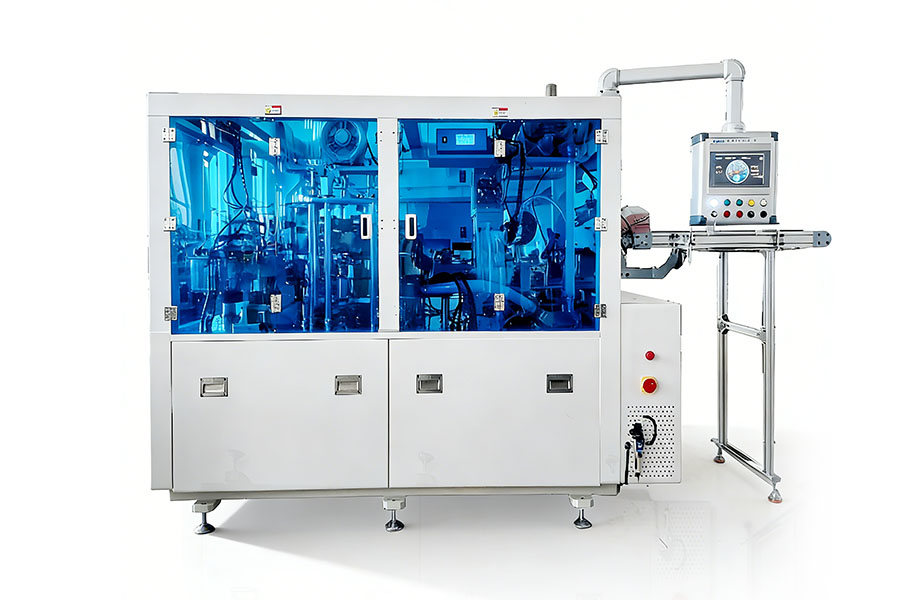
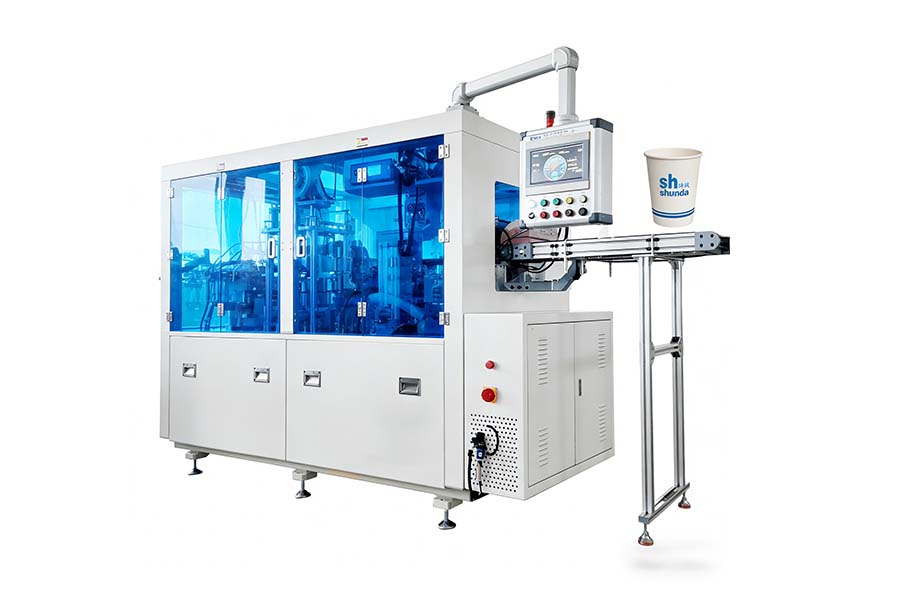
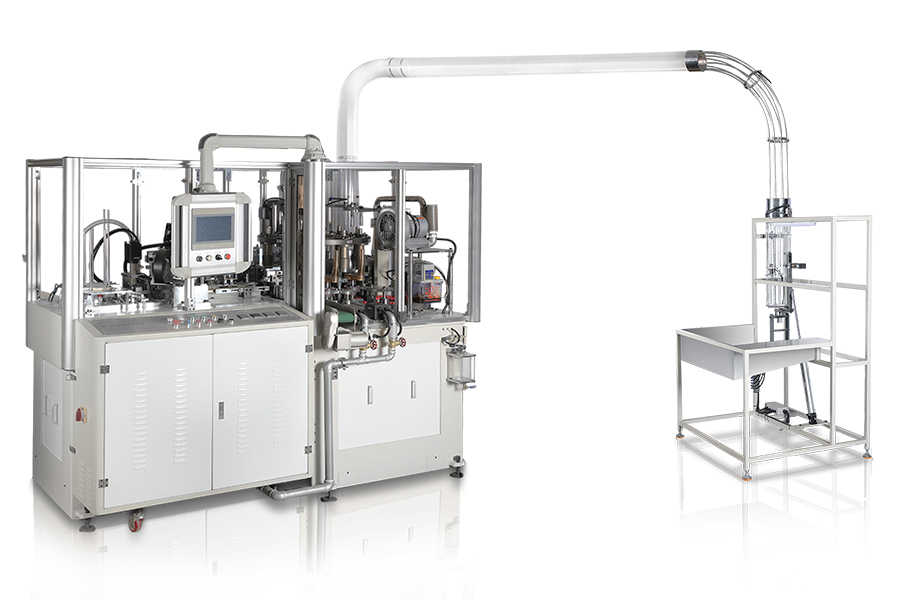
The manufacturing of double-wall paper cups represents a sophisticated segment within the paper container industry, requiring precision engineering and a deep understanding of material science. These machines are responsible for producing the insulated cups commonly used for serving hot beverages like coffee and tea. Unlike single-wall cup machines, they must handle multiple layers of paper and adhesive, precisely forming them into a sturdy, leak-proof, and thermally efficient structure. The core process involves unwinding pre-printed paperboard, applying a food-grade polyethylene coating for waterproofing, precisely cutting the paper into sidewall and bottom blanks, forming the inner and outer layers separately, and then bonding them together with a rim curl for a comfortable drinking experience.
Investing in a double-wall paper cup machine is a significant decision for any packaging business, as it dictates production capacity, cup quality, and long-term operational costs. Modern machines, such as those developed by manufacturers with extensive R&D backgrounds, incorporate advanced features like automated quality control systems, remote monitoring capabilities, and energy-efficient components. This technological evolution directly addresses the growing global demand for sustainable, high-performance disposable foodservice products. For businesses aiming to enter or expand in this market, understanding the nuances of the machinery—from automatic double-wall paper cup machine cost to operational efficiency—is paramount to making an informed investment that aligns with both production goals and industry trends.
Key Considerations for Investing in a Double-Wall Cup Machine
Analyzing the Total Cost of Ownership
When evaluating the automatic double-wall paper cup machine cost, it is crucial to look beyond the initial purchase price. The total cost of ownership (TCO) encompasses several factors that impact your bottom line over the machine's operational lifespan. A lower-priced machine might seem attractive initially but could lead to higher expenses in maintenance, energy consumption, and material waste.
- Initial Capital Investment: This includes the base price of the machine, installation fees, and any necessary facility modifications.
- Operational Costs: These are recurring expenses such as electricity consumption, compressed air usage, and the cost of raw materials (paperboard, PE pellets, inks). Energy-efficient drives and servo-motors can significantly reduce this category.
- Maintenance and Spare Parts: Regular upkeep is essential. Machines with standardized components and accessible design typically have lower long-term maintenance costs. The availability and pricing of spare parts, like forming molds and heating elements, must be considered.
- Labor Costs: The level of automation directly affects labor requirements. A fully automatic machine may require only 1-2 operators for monitoring and feeding materials, whereas semi-automatic models need more hands-on involvement.
- Output and Efficiency: A machine's speed (cups per minute - CPM) and yield rate (percentage of defect-free cups) determine its effective cost per cup. A higher-speed machine with a 98% yield is more cost-effective than a slower machine with a 90% yield, even if the latter is cheaper to buy.
To illustrate the cost differences between machine types, consider the following comparison:
The table below outlines a simplified TCO comparison between a standard automatic machine and a high-efficiency model over a five-year period, highlighting how initial investment is offset by operational savings.
| Cost Factor | Standard Automatic Machine | High-Efficiency Automatic Machine |
|---|---|---|
| Initial Purchase Price | $XXX,XXX | $XXX,XXX (Higher) |
| Annual Energy Cost | $XX,XXX | $X,XXX (Lower) |
| Annual Maintenance Cost | $X,XXX | $XXX (Lower) |
| Material Waste (Annual Value) | $X,XXX | $XXX (Lower) |
| Estimated 5-Year TCO | $XXX,XXX | $XXX,XXX (Lower Overall) |
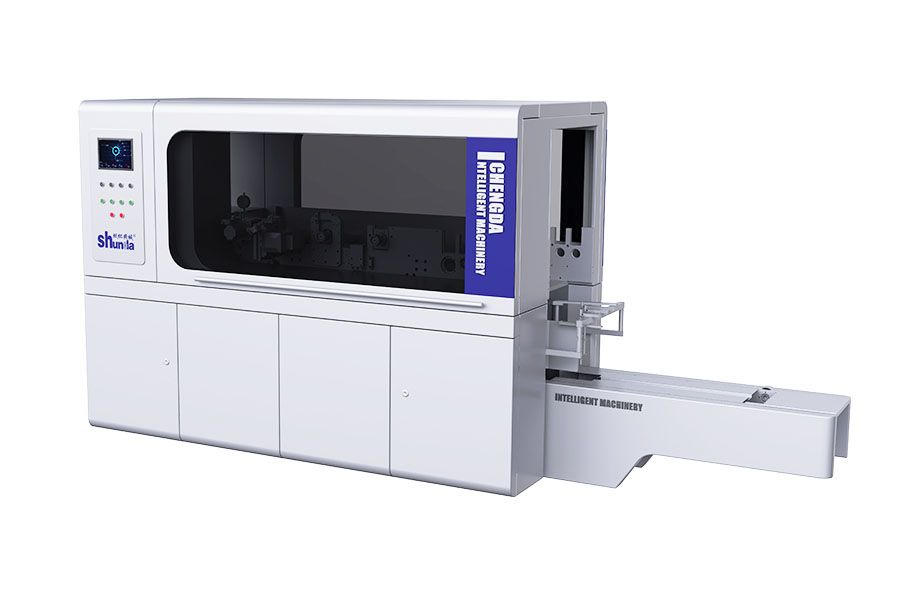
This analysis shows that while the high-efficiency model demands a higher initial investment, its superior energy management, lower waste generation, and reduced maintenance needs result in a lower total cost of ownership over five years. Manufacturers like Haining Chengda Machinery Co., Ltd., with their focus on intelligent molding machines featuring automatic detection systems, design equipment that optimizes these operational cost factors, thereby improving the return on investment for their clients.
Evaluating Production Speed and Output
One of the most critical specifications for any production line is its capacity. For businesses looking to scale, understanding the high-speed double-wall paper cup production line capabilities is essential. Speed is typically measured in Cups Per Minute (CPM), but raw speed alone does not guarantee high output. A truly high-speed line integrates several synchronized components working in harmony to maximize uptime and minimize jams or misfeeds.
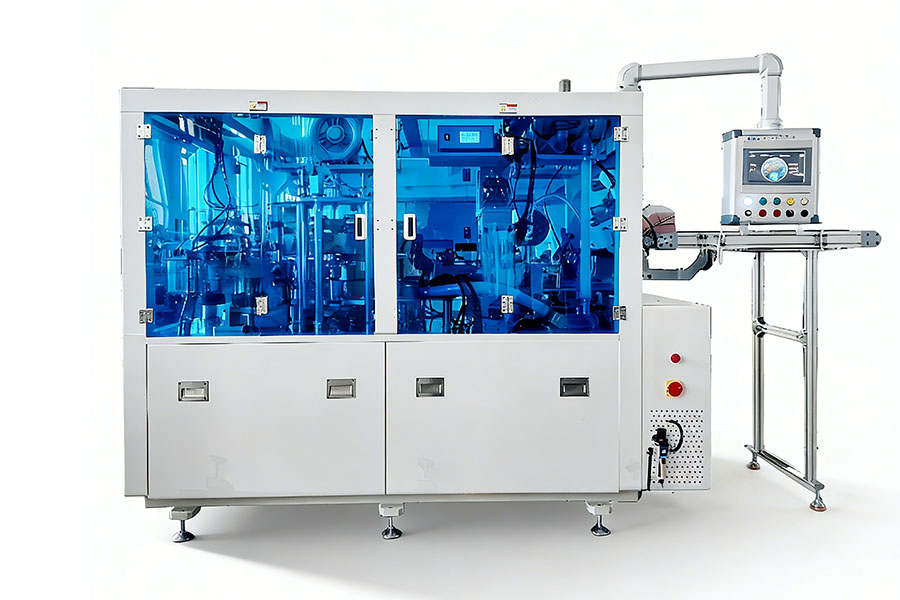
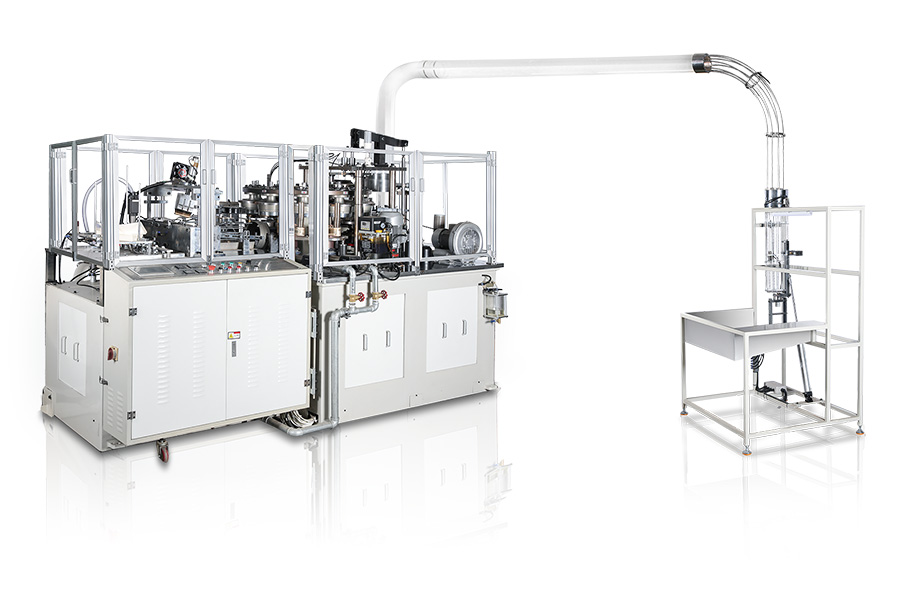
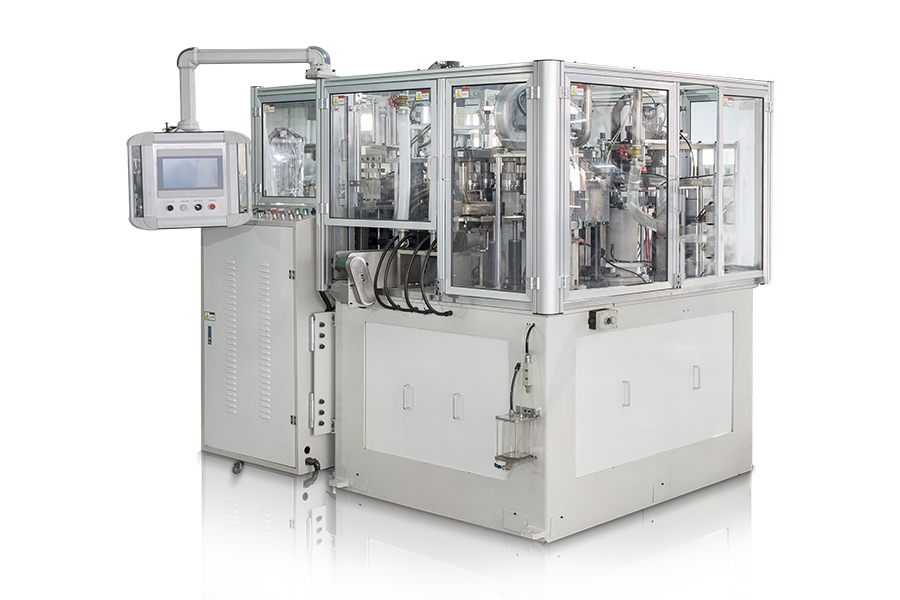
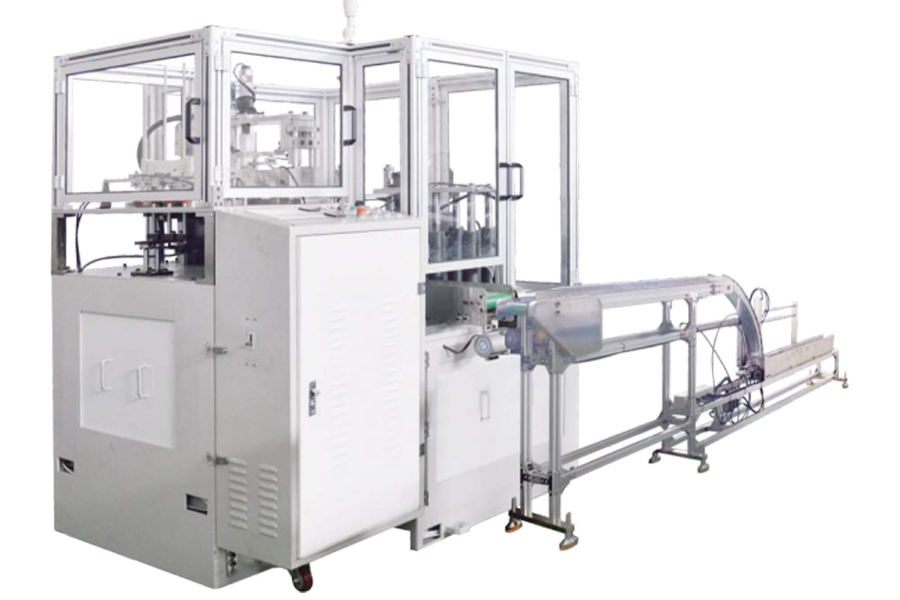
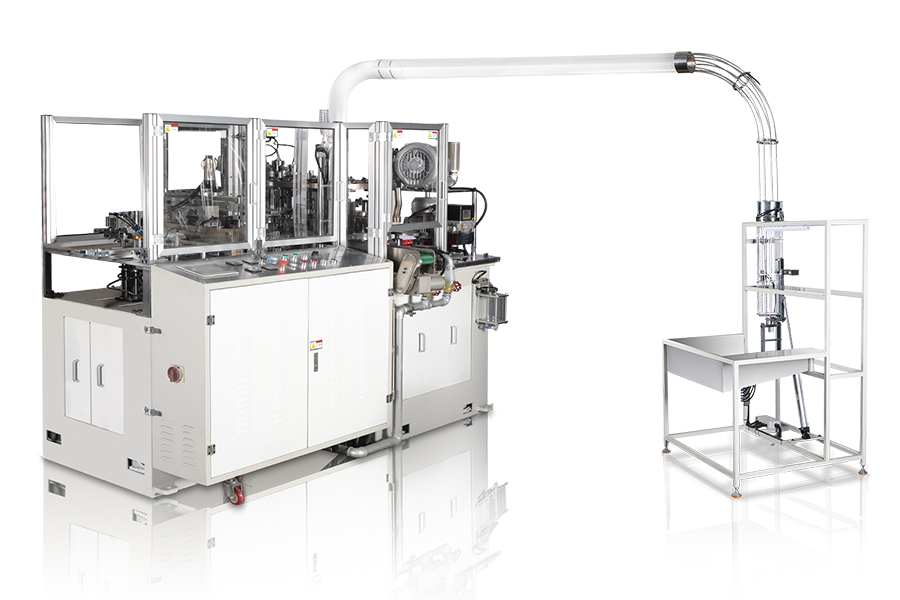
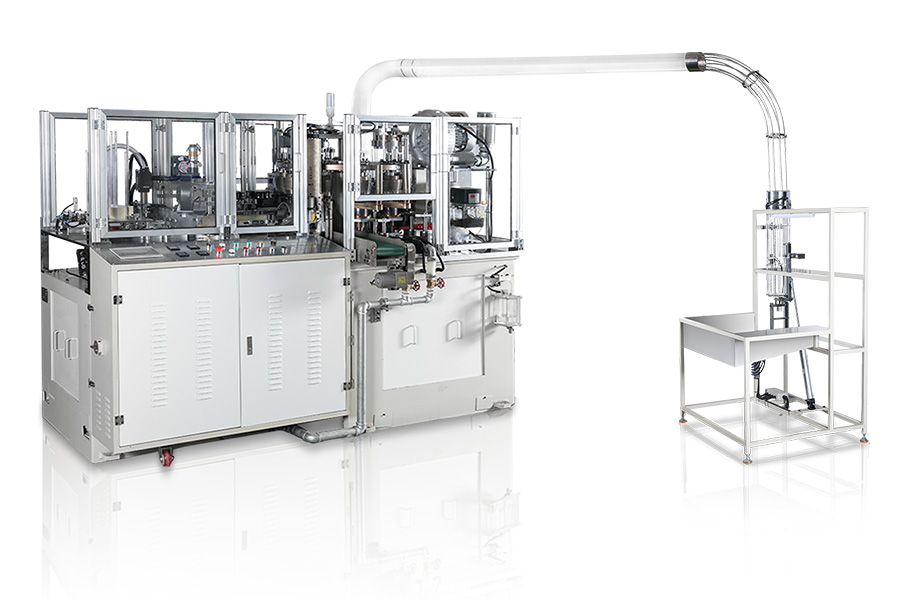
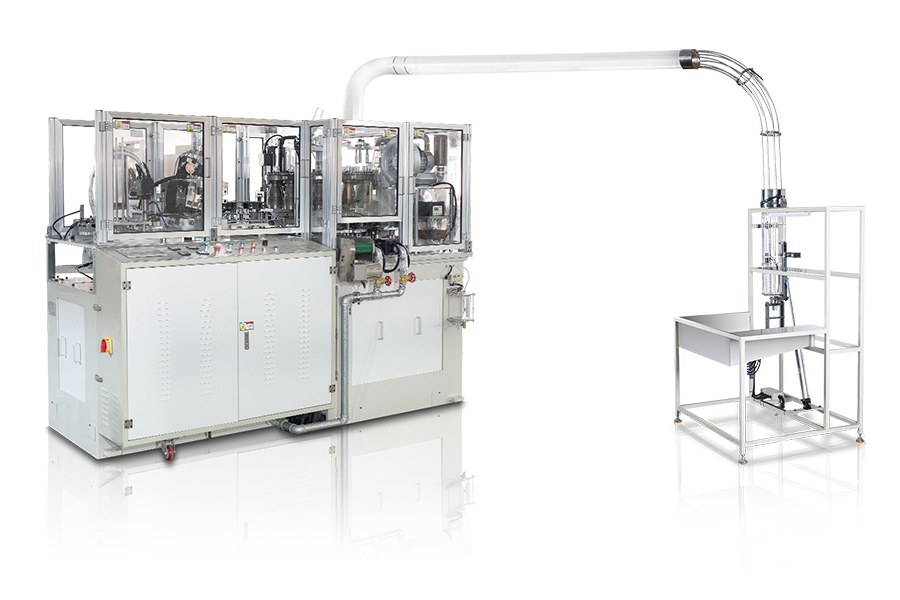
The architecture of a high-speed production line often includes a central machine for cup forming, coupled with automated systems for paper feeding, bottom punching, sidewall winding, heating, sealing, rim curling, and stacking. The synchronization of these stations is managed by programmable logic controllers (PLCs) and human-machine interfaces (HMIs) that allow for precise control and quick changeovers between different cup sizes. The goal is to achieve a seamless flow where the speed of one station does not become a bottleneck for the next. For instance, a machine capable of 200 CPM is only effective if its bottom feeder and sealing units can operate at the same consistent pace.
- Core Forming Speed: The maximum mechanical speed of the main rotary or linear forming unit.
- Automated Material Handling: Systems that automatically feed paper reels and bottom paper, reducing manual intervention and stopping time.
- Quick Changeover Systems: Features that allow molds and tooling to be changed rapidly (e.g., within 15-30 minutes) to switch cup sizes or designs, which is vital for meeting diverse customer orders without significant downtime.
- Integrated Quality Control: High-speed vision systems or laser sensors that inspect cups for defects like leaks, misaligned printing, or poor sealing at line speed, ejecting faulty products without slowing down the process.
- Downstream Automation: Automatic cup collection, counting, boxing, and palletizing systems that handle the output without creating a backlog.
The integration of remote connection systems, as implemented in modern lines, allows engineers to monitor production data, diagnose issues, and even perform minor software updates remotely, further enhancing the overall equipment effectiveness (OEE) of the high-speed line.
Ensuring Quality and Efficiency Through Automation
The pursuit of consistent, high-quality output is inextricably linked to the level of automation in the manufacturing process. An energy-efficient automatic paper cup forming machine embodies this principle by combining precision mechanics with intelligent control systems to minimize waste and energy use while maximizing output quality. Efficiency here is twofold: operational efficiency (producing more good cups with less input) and energy efficiency (using less power to achieve the same result).
Key automation features that drive quality and efficiency include:
- Precision Servo-Driven Systems: Servo motors control the movement of paper feeding, cutting, and forming with extreme accuracy. Compared to traditional mechanical drives, servos consume power only when performing work, significantly reducing energy consumption, especially during idle periods or slow cycles. They also allow for finer adjustments, leading to better seam alignment and seal integrity.
- Closed-Loop Temperature Control: The heating process for activating the PE coating and adhesives is critical. Automated systems use PID (Proportional-Integral-Derivative) controllers to maintain exact temperatures at multiple heating points, ensuring a perfect seal every time and preventing defects caused by under or overheating.
- Automatic Fault Detection and Diagnostics: Sensors throughout the machine monitor parameters like air pressure, glue level, and paper tension. If a value deviates from the set range, the machine can alert the operator, adjust itself, or safely stop to prevent a cascade of defects and material waste.
- Data Collection and Analysis: Modern machines log production data, including output counts, defect rates, and energy usage. This data is invaluable for identifying trends, scheduling predictive maintenance, and optimizing production schedules for peak efficiency.
A manufacturer's commitment to R&D is evident in these features. Haining Chengda Machinery Co., Ltd., with its strong technical team and R&D center, focuses on developing intelligent units with such automatic detection systems. This approach ensures their machines are not just fast but also smart and sustainable, reducing the operator's skill dependency and the factory's carbon footprint simultaneously.
Navigating the Operational Landscape
Sourcing the Right Raw Materials
The performance of a double-wall paper cup machine is heavily dependent on the quality and specifications of its raw materials. A common and crucial inquiry from manufacturers is about the double wall paper cup raw material specifications. Using incorrect or substandard materials is a primary cause of machine jams, production downtime, and defective products.
The primary raw material is paperboard, which is typically supplied in large reels. For double-wall cups, two distinct grades are used: one for the inner wall and another for the outer wall. Both are coated with polyethylene (PE) to provide a liquid barrier.
- Grammage (Basis Weight): This refers to the weight of the paper per unit area (e.g., grams per square meter - GSM). Inner wall paper is generally lighter (e.g., 180-220 GSM), while outer wall paper is heavier (e.g., 230-280 GSM) to provide structural rigidity and a premium print surface. The machine must be precisely calibrated for the grammage it is processing.
- PE Coating Type and Weight: The PE can be applied on one side (Single PE) or both sides (Double PE). The coating weight (measured in g/m²) affects the sealability and waterproofness. LDPE (Low-Density Polyethylene) is commonly used. The machine's heating system must be compatible with the melting point of the specific PE coating.
- Paperboard Brightness and Smoothness: These properties affect the final print quality on the cup. A smoother, brighter surface yields sharper and more vibrant graphics.
- Core and Reel Dimensions: The inner diameter of the paper reel core and the maximum reel width and diameter must match the machine's unwinding system specifications to ensure smooth feeding without tears.
- Adhesives: Hot-melt adhesives are used to bond the side seam and the bottom to the wall. Their melting temperature, open time, and bonding strength must be suited to the machine's glue application system and the production speed.
A reliable machine supplier does not just sell equipment; they provide comprehensive guidance on material specifications. They understand, based on experience with domestic and international paper trends, which material combinations work best with their machine's parameters to ensure optimal performance and final cup quality.
Mastering Machine Setup and Calibration
Even the most advanced machine requires proper setup to perform optimally. A detailed paper cup machine operation and maintenance manual is the cornerstone of successful production. This document, provided by the manufacturer, is far more than a simple booklet; it is a comprehensive guide covering installation, daily operation, routine maintenance, troubleshooting, and safety procedures.
The operation section of the manual is critical for training machine operators. It provides step-by-step instructions for:
- Initial Machine Setup and Leveling: Ensuring the machine is perfectly level on the factory floor is fundamental to preventing vibration and misalignment at high speeds.
- Tooling Changeover Procedure: A detailed, sequential guide for safely changing forming molds, bottom punch dies, and curling tools when switching to a new cup size or style. This minimizes downtime and risk of damage to expensive tooling.
- Parameter Setting and Calibration: Instructions on how to set key parameters in the HMI, such as heating temperatures for different zones, glue application amount, servo motor positions, and timing sequences. Proper calibration is what transforms a machine from a generic device into a specialized producer of a specific cup.
- Start-Up, Running, and Shut-Down Sequences: The correct order of operations to prepare the machine for production, run it steadily, and shut it down safely to prevent issues like glue solidification in hoses or residual heat damage.
The maintenance section is equally vital for the technical team. It outlines preventive maintenance schedules, including daily, weekly, monthly, and annual tasks. These tasks ensure the machine's longevity and consistent performance. Key maintenance activities typically include:
- Lubrication of specific bearings and guide rails.
- Cleaning of glue nozzles, heating elements, and optical sensors.
- Checking and tightening of belts and chains.
- Inspection and replacement of wear parts like sealing jaws or cutting blades.
- Verification of pneumatic system filters and lubricators.
Adherence to the manual provided by an experienced manufacturer, one that holds certifications like CE and ISO9001, is a proven strategy to maximize machine uptime, ensure operator safety, and protect the warranty of the equipment.
Finding the Right Manufacturing Partner
For many businesses, the capital expenditure and technical expertise required to operate a full production line can be prohibitive. This is where the concept of outsourcing to a custom double-wall paper cup manufacturer becomes a strategic alternative. However, for those committed to in-house production, selecting the right machine manufacturer is the analogous critical partnership. The criteria for choosing a machinery partner mirror many of the qualities sought in a reliable cup manufacturer: reliability, quality, technical support, and innovation.
When sourcing machinery, it is imperative to evaluate the manufacturer's profile beyond the sales brochure. A partner with a long-standing history, such as a company established in 1998, brings accumulated experience and stability. Key attributes to look for include:
- In-House R&D and Technical Capability: A manufacturer with its own R&D department and a strong technical team, potentially collaborating with international experts, is more likely to offer technologically advanced, patented solutions and continuous product improvement. This is evident in features like intelligent molding units and remote systems.
- Comprehensive Production Infrastructure: The ability to design, machine precision parts, assemble, and test in their own modern workshops indicates control over quality and supply chain. It often translates to better build quality and more reliable after-sales support.
- Certifications and Standards: Certifications like CE (meeting European health, safety, and environmental standards) and ISO9001 (a quality management system) are not just logos; they are assurances of a systematic approach to design, manufacturing, and customer service.
- Global Vision and Adaptability: A manufacturer that develops technology based on the characteristics of local materials (e.g., Chinese paper) while tracking international trends demonstrates an ability to create machines that are both locally applicable and globally competitive.
- After-Sales Service and Training: The provision of detailed manuals, on-site installation, operator training programs, and a responsive spare parts supply network are crucial for long-term operational success.
Choosing a machinery partner is a long-term investment in your production capability. A partner that embodies these principles provides not just a machine, but a production solution backed by engineering expertise and a commitment to your success in the competitive paper packaging market.